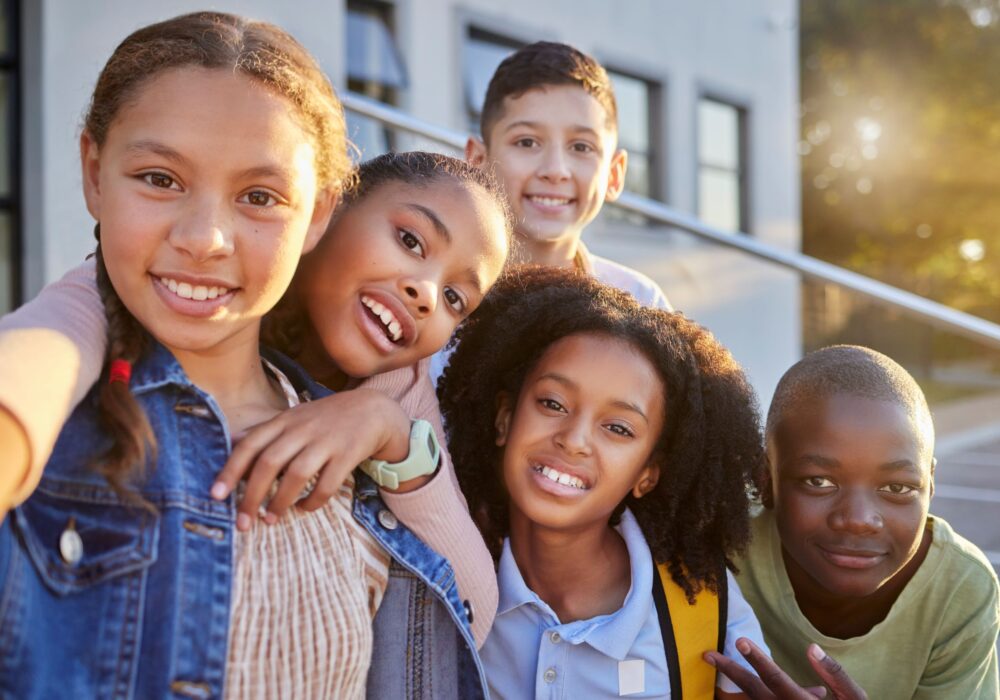
We help governments strengthen community-based resources so families can access relevant, voluntary supports that may help prevent contact with the child protection system.
Overview
When families can access the voluntary resources and supports they need and want, they are better positioned to care for their families and may be less likely to experience child protection system interventions, such as investigations or removals.
Yet when services like financial support, substance-use treatment, or other family wellbeing resources are not available or accessible, families’ unmet needs often place them at higher risk of becoming entangled with child protective services, which can cause additional stress and trauma.
The GPL works with jurisdictions that are committed to designing, expanding, and investing in voluntary services that seek to meet the needs of families outside of any child welfare agency involvement. This looks like:
Working with community providers to identify families who may be at higher risk of child protection interactions and then offer voluntary supports, like mental health services, substance-use treatment, access to financial resources, or home visiting.
Strengthening providers’ outreach strategies to ensure they are reaching families in ways that feel respectful and relevant.
Equipping leaders to design services or contract with providers that offer services families want, including peer supports and service navigation.
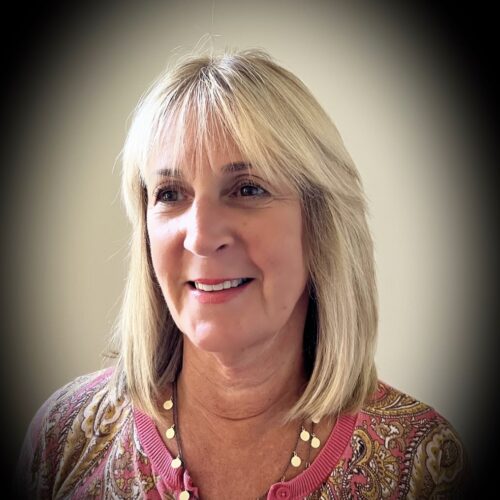
We strive to give everyone an experience that's responsive to their needs, and we have adapted the program accordingly. For example, we now have peer recovery coaches at our birthing hospitals as part of the clinical team. Home visiting isn't for everyone, so we work with doulas and other community resources to be involved at the local level.Kristine Campagna
Associate Director of Health, Division of Community Health and Equity, Rhode Island Department of Health
1 / 1
Information Hub
Explore Ways to Reach More Families With Voluntary Services
These publications outline how leaders can be more responsive and respectful when trying to connect families to voluntary services.


 We strive to give everyone an experience that's responsive to their needs, and we have adapted the program accordingly. For example, we now have peer recovery coaches at our birthing hospitals as part of the clinical team. Home visiting isn't for everyone, so we work with doulas and other community resources to be involved at the local level.Kristine Campagna