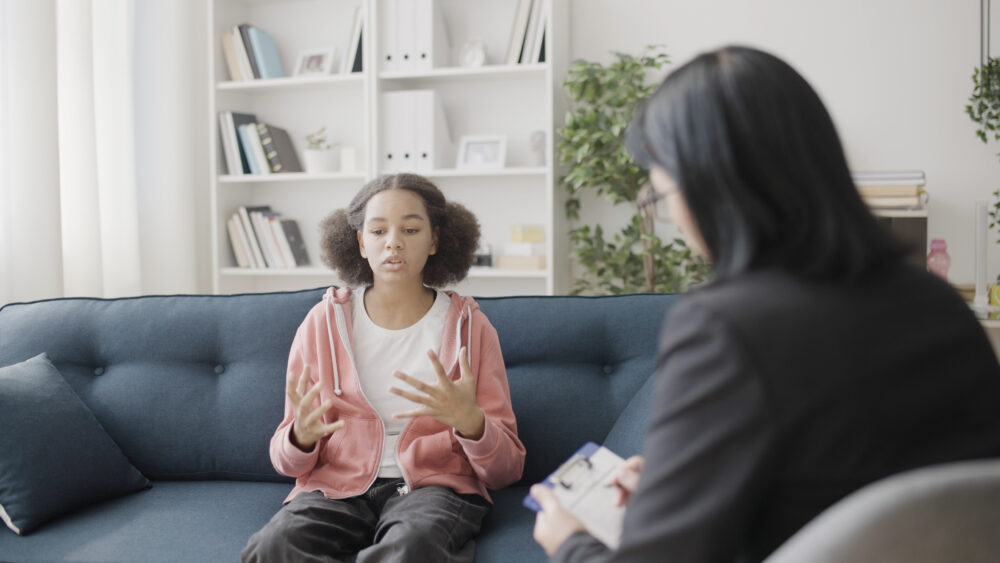
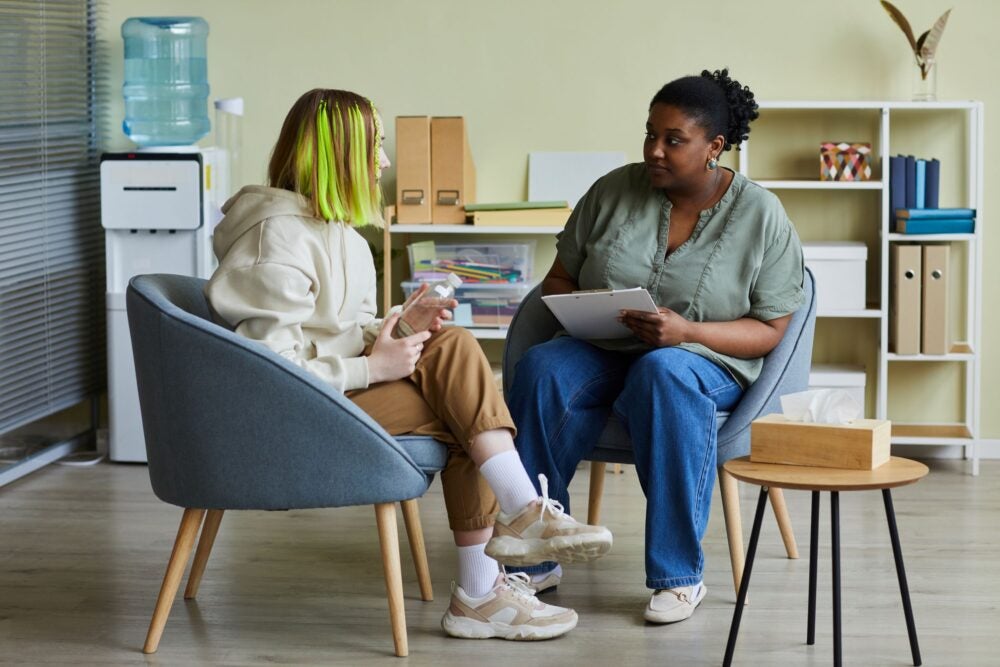
With the GPL’s support, for the 2024-2025 school year, 5,500 Michigan students participated in the solearning screening process, and more than 700 were served by school–based community health worker programs.
Project Context:
- In Michigan, many youth do not have access to mental health services until after a crisis occurs. Child welfare or law enforcement systems are often charged with responding to the crisis, which can lead to negative consequences for the youth, such as family separation or getting the legal systems involved.
- Leaders in the Michigan Department of Health and Human Services want to test more proactive, affirming strategies by embedding them in schools to reach sooner those students with unmet mental health needs.
- Connecting youth and their families to clinical care and other supportive services soon after symptoms begin can provide stabilization and help avoid crises that could result in system involvement.
- Michigan state leaders approved an additional $125 million for school safety and mental health grants to support and move forward these efforts.
How the GPL is Supporting:
- Working with representatives from identified districts to strengthen school-based connections to mental health services that can:
- Meet youth mental health needs earlier.
- Interrupt crises and reduce system involvement for youth.
- Build stronger coordination across youth-serving systems.
- Supporting the development and rollout of school-based community health workers to connect families to mental health services and supports, including school-based group supports. This includes:
- Developing outreach and referral tools and processes for schools and the local community health worker agency to ensure students and families who could benefit are quickly connected to support.
- Building capacity to track program outcomes and use data to drive program performance.
- Turning existing school processes, including the use of social, emotional screening tools, into moments when students are successfully connected to meaningful mental health services and supports. This includes:
- Creating tools and simple, electronic forms to help busy school staff decide which services are needed and then make quick referrals.
- Tailoring processes to better meet student and family needs and reduce stigma around accepting mental health services.
- Analyzing available data to help redesign processes and monitor impact.
- Continuing to support expansion of project findings and support development of statewide strategies to strengthen partnerships between children’s mental health providers and school systems.
Initial Results:
- For the school year 2024-2025, 727 students at 39 schools were served by the school-based community health worker program, either through groups or service navigation. Fifty-two schools — serving more than 10,000 students — requested an embedded community health worker; however, the capacity is not in place yet to meet that level of demand.
- For the 2024-2025 school year, 5,500 students participated in the social-emotional learning screening process, which helped connect students in need to further school and community-based supports.